Understanding Container Units: Types and Their Uses
Container units play a pivotal role in modern logistics and storage solutions. They come in various forms, each tailored to meet specific requirements across many industries. The two primary types of container units are standard shipping containers and specialized containers, each serving unique purposes.
Standard shipping containers are the most commonly used type. Available in various sizes, typically 20-foot and 40-foot units, they are designed to facilitate the efficient transport of goods across the globe. These containers are durable, constructed from weather-resistant materials, and often include features such as locking mechanisms for security. They are suited for a wide range of goods, from raw materials to finished products, making them an essential asset for businesses involved in international trade.
Refrigerated units, also known as reefer containers, are specifically designed to transport perishable goods, maintaining a stable temperature throughout their journey. These containers can be set to various temperature ranges, often between -20°C and +30°C, making them ideal for transporting food, pharmaceuticals, and other temperature-sensitive items. Their insulated design helps to preserve the quality of the contents during transport.
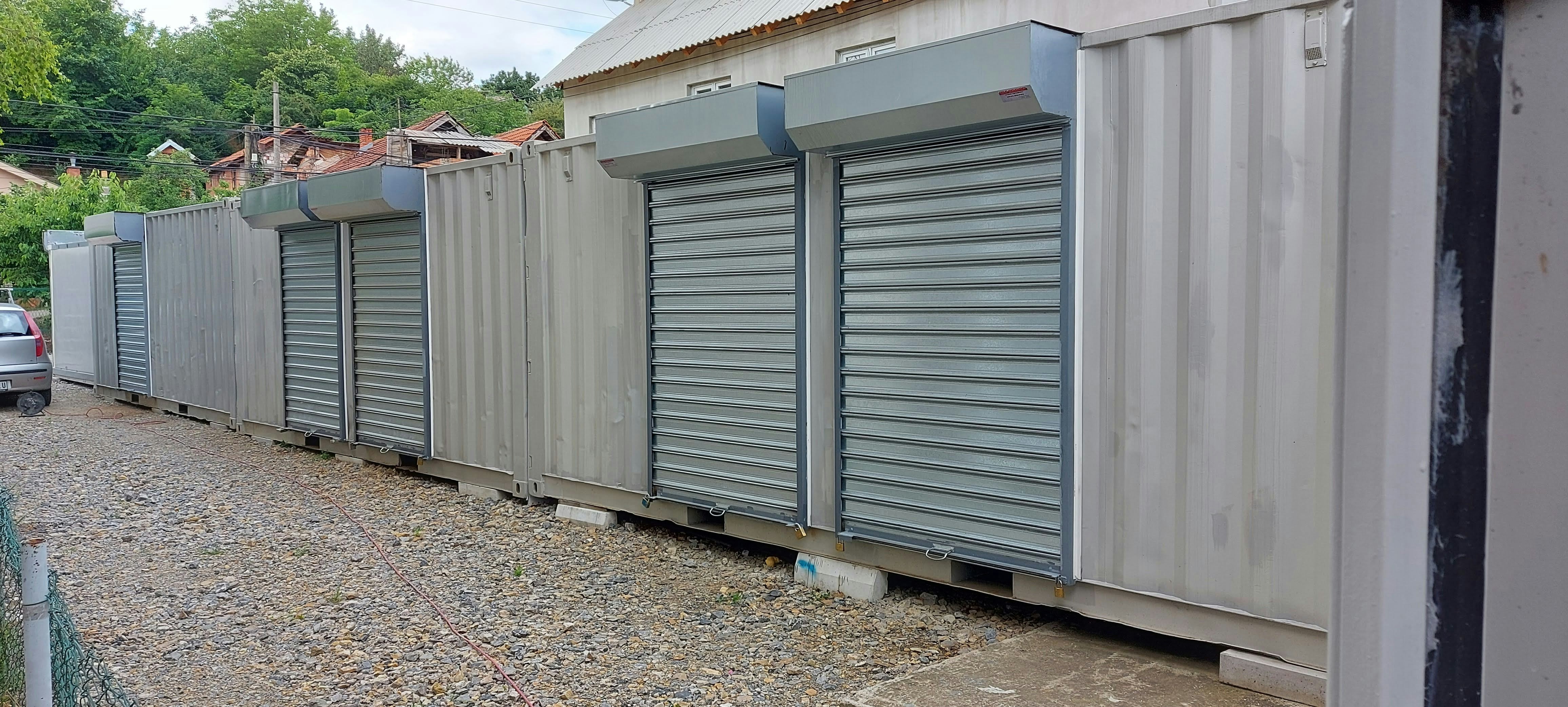
Modified containers offer additional versatility for various applications, including portable offices, workshops, and even retail spaces. These units can be customized to include windows, doors, and electrical systems, making them suitable for use in construction sites, outdoor events, or as pop-up shops. Furthermore, specialized containers for industries such as construction, military, and emergency response provide tailored solutions that cater to the specific needs of these sectors.
By understanding the different types of container units available in the market, businesses can make informed decisions that align with their operational requirements, ensuring efficient transport and storage solutions tailored to their specific needs.
Preparing Your Site for Container Installation
Before proceeding with the installation of a container unit, it is essential to prepare the site adequately to facilitate a seamless setup process. The first step involves assessing site access, ensuring that trucks and machinery can reach the location without obstacles. This may require checking the width of pathways, road conditions, and any potential barriers, such as trees or fences, that could obstruct access.
Next, evaluating ground stability is crucial for the safe placement of the container. Inspect the soil quality and ensure it can support the weight of the unit, considering factors such as drainage and erosion. In some cases, soil testing may be necessary to ascertain the ground’s capacity to bear loads, thereby preventing future complications.
Utility connections are another critical consideration. Identifying the need for water, electricity, or sewage connections beforehand can expedite the process and prevent delays. Engage with utility providers to discuss timelines for installation and ensure that all services are ready for your container’s use.
It is vital to check local zoning regulations that may impact container installation. Certain jurisdictions have specific permits required for placing a container unit on a property. Understanding these regulations helps to avoid legal issues and ensures compliance with local codes.
In addition to these assessments, necessary site preparation must be executed. This includes clearing the area around the intended installation site of debris, vegetation, and other obstacles. Following this, the ground should be leveled to create a stable base for the unit. Obtaining any required permits is also essential to finalize the preparation process. With these steps, the installation of your container unit will be positioned for success.
Steps to Take After Purchasing Your Container Unit
Upon acquiring a container unit, several immediate tasks must be addressed to ensure that the investment is safeguarded and optimized for use. The first and foremost step is to conduct a thorough inspection of the unit. Check for any signs of damage, such as rust, dents, or structural issues that might compromise its integrity. Documenting these findings with photographs and notes can be beneficial for future reference or in case of any disputes with the vendor.
Following the inspection, securing the necessary documentation is crucial. This includes obtaining the title or bill of sale and any warranties associated with the container. These documents not only serve as proof of ownership but also provide essential information for maintenance and modifications later on.
Once you have ensured that the unit is in good condition and that the proper documentation is in place, it is advisable to consider customization options that can enhance functionality. Customizing the container might involve adding windows, insulation, or shelving, depending on your intended use. This can significantly improve both the utility and aesthetic appeal of the unit.
Furthermore, ensuring the longevity of your container unit requires attention to maintenance and security measures. Regular maintenance, such as cleaning and rust treatment, can prevent deterioration over time. Additionally, implementing security measures, such as locks or surveillance systems, is essential to protect the contents stored within the unit.
Lastly, assess whether your specific needs demand modifications to the unit. This may include installing electrical wiring or devising climate control solutions. By systematically addressing these areas after purchase, you can ensure that your container unit remains functional, secure, and tailored to meet your requirements for years to come.
Best Practices for Using and Maintaining Your Container Unit
Effectively utilizing a container unit requires organization and planning. One of the best practices for maximizing space within your container is to use shelving units and stackable bins. These solutions allow you to utilize vertical space, which can significantly enhance the storage capacity. Categorize items by frequency of access, ensuring that frequently used items are within easy reach while less frequently accessed items are stored higher or further back. Labeling containers enhances clarity and allows for quicker retrieval of items.
Implementing safety protocols is equally essential for ensuring the integrity of both the container unit and its contents. Ensure that all items are stored securely to prevent them from shifting during transport. Utilize appropriate tie-downs and restraints for larger items, and follow regulations regarding hazardous materials if applicable. Regularly inspect the container for any damage or structural issues that may pose risks to safety.
Routine maintenance of your container unit plays a pivotal role in extending its lifespan. Start by ensuring that the exterior is weatherproofed to protect against moisture and the elements. Consider applying a waterproof sealant or regularly inspecting weather seals to prevent leaks. Rust prevention is also crucial; make it a habit to check for rust spots on metal surfaces. If detected, treat these areas promptly with rust-resistant paint or a suitable protective coating.
Additionally, regular upkeep such as cleaning the interior will keep your container unit in excellent condition. Dust and debris can accumulate, so a thorough cleaning schedule should be implemented. Check for any signs of pests and take appropriate measures if necessary. By following these practices, you can ensure that your container unit remains functional and effective over time, safeguarding your investment and making it serve your storage needs efficiently.